Blog

Our Blog

Lorem Ipsum is simply dummy text of the printing and typesetting industry. Lorem Ipsum has been the industry’s standard dummy text ever since the 1500s, when an unknown.

How Can You Prevent Clogged Drains in Your Home?

How Can You Prevent Clogged Drains in Your Home?

Preventing clogged drains in your home requires a combination of proactive maintenance, behavioral changes, and the right plumbing hardware. To stop blockages before they start, you should install drain strainers to catch hair and food particles, avoid pouring fats, oils, and grease (FOG) down the kitchen sink,
What Are the Warning Signs of a Hidden Plumbing Leak?

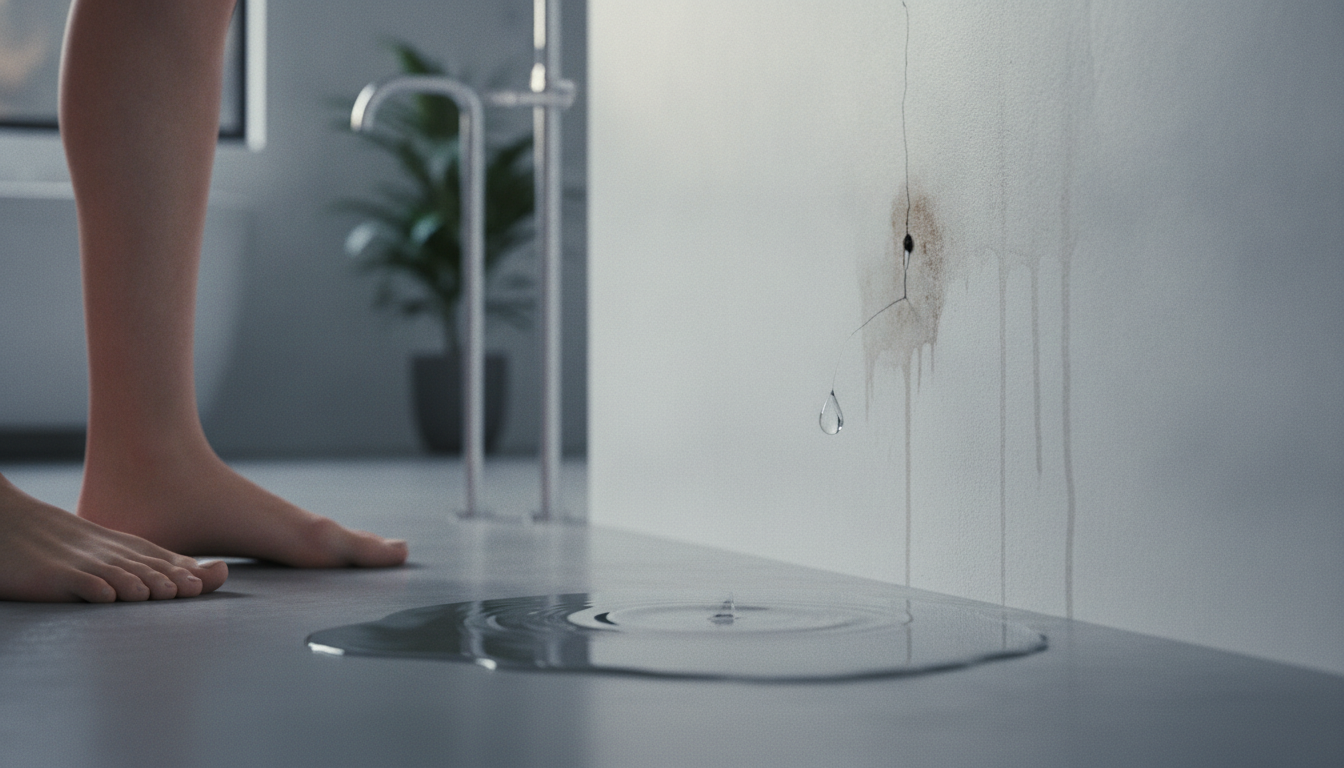
What Are the Warning Signs of a Hidden Plumbing Leak?

Identifying a hidden plumbing leak before it escalates into a catastrophic structural failure is one of the most critical skills a homeowner can possess. While a burst pipe is obvious, the subtle, slow-dripping “silent killers” behind your drywall or under your concrete slab cause the most long-term damage, leading to mold proliferation,

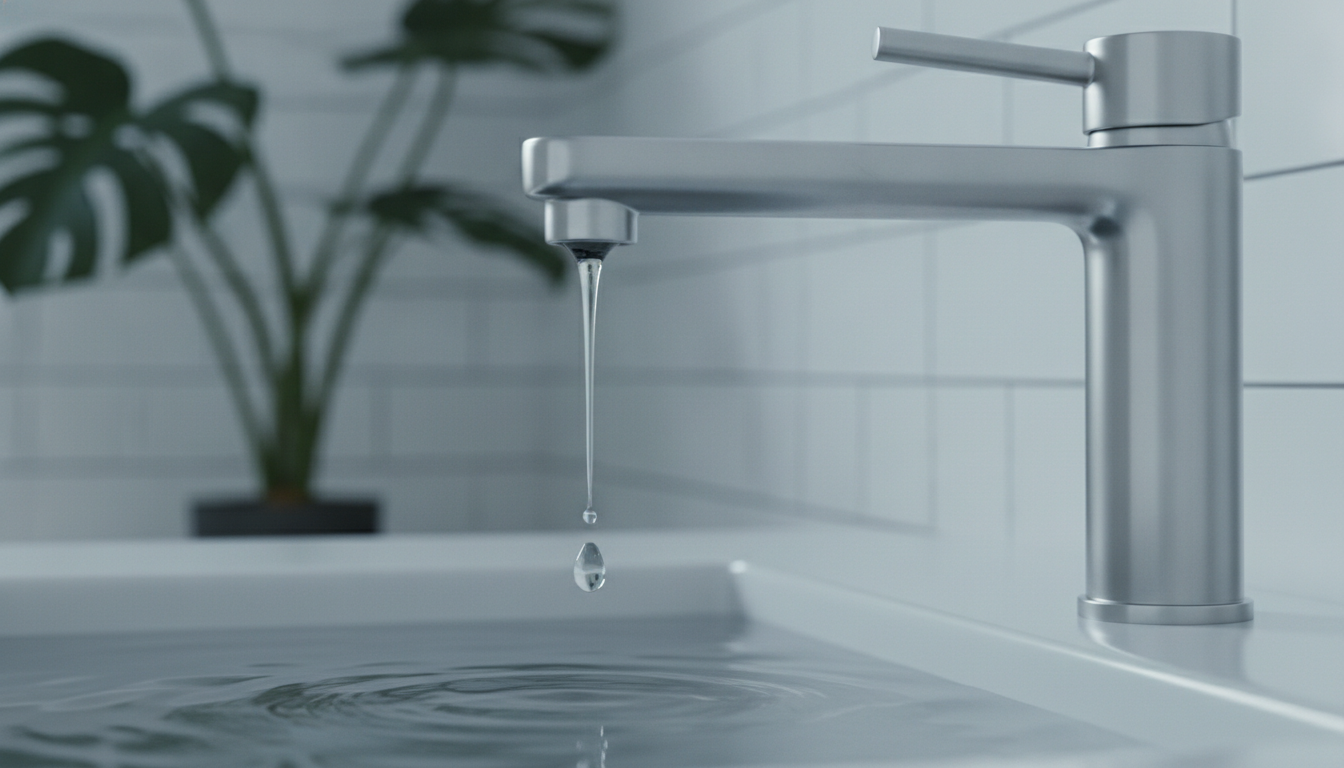
Why Does My Faucet Keep Dripping Even When It’s Turned Off?

Why Does My Faucet Keep Dripping Even When It’s Turned Off?

A persistent dripping faucet is more than just a minor annoyance; it is a rhythmic reminder of wasted resources and potential property damage. Whether it is a slow “tap-tap-tap” in the guest bathroom or a steady stream in the kitchen, a leaky faucet can waste hundreds of gallons of water per year, significantly inflating your

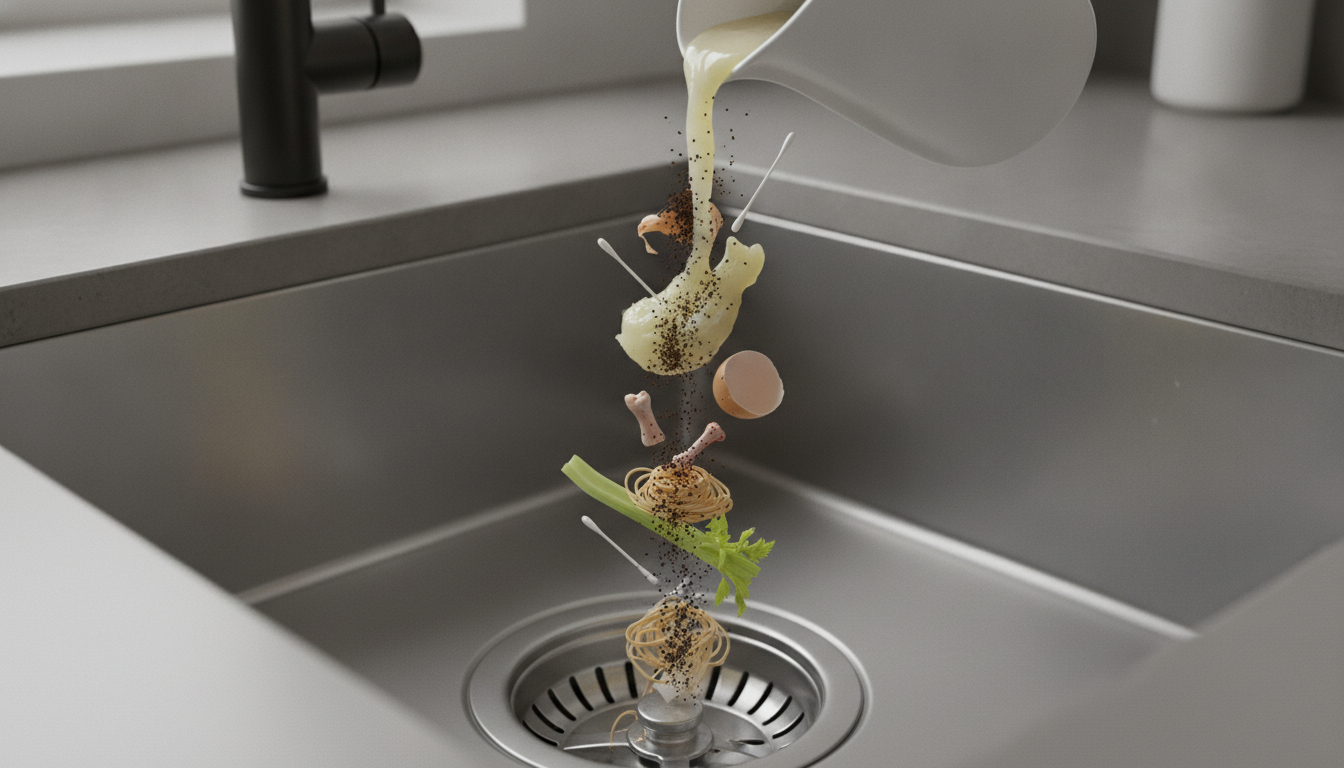
What Should You Never Put Down Your Kitchen Drain?

What Should You Never Put Down Your Kitchen Drain?

Most homeowners view the kitchen sink as a magic portal where unwanted organic matter disappears forever. However, as any master plumber will tell you, your drainage system is a complex network of P-traps, baffles, and gravity-fed lines that were never designed to be a secondary trash can.

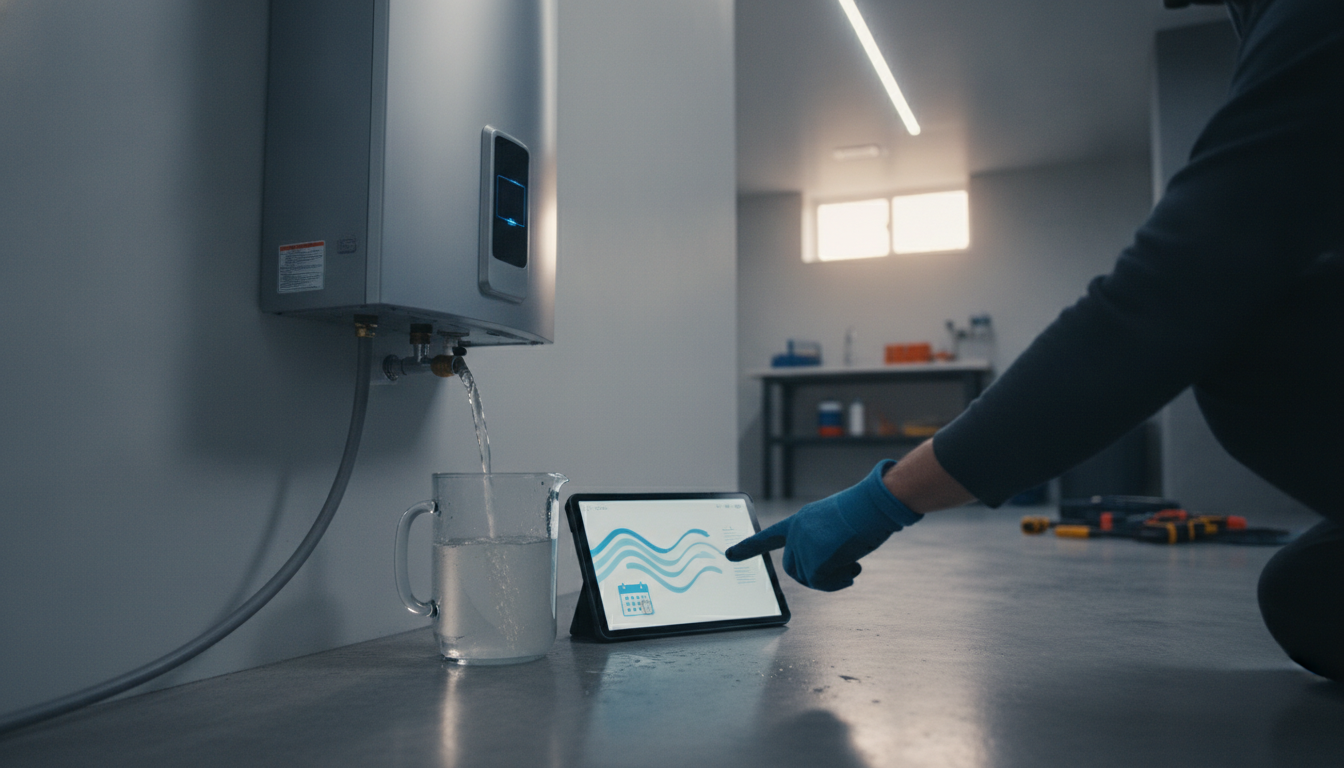
How Often Should You Your Water Heater?

How Often Should You Your Water Heater?

Determining how often you should flush your water heater is a critical aspect of home maintenance that directly impacts your utility bills, appliance longevity, and daily comfort. For most households, a professional water heater flush should be performed once every 12 months. However, if you live in an area with hard water or have a

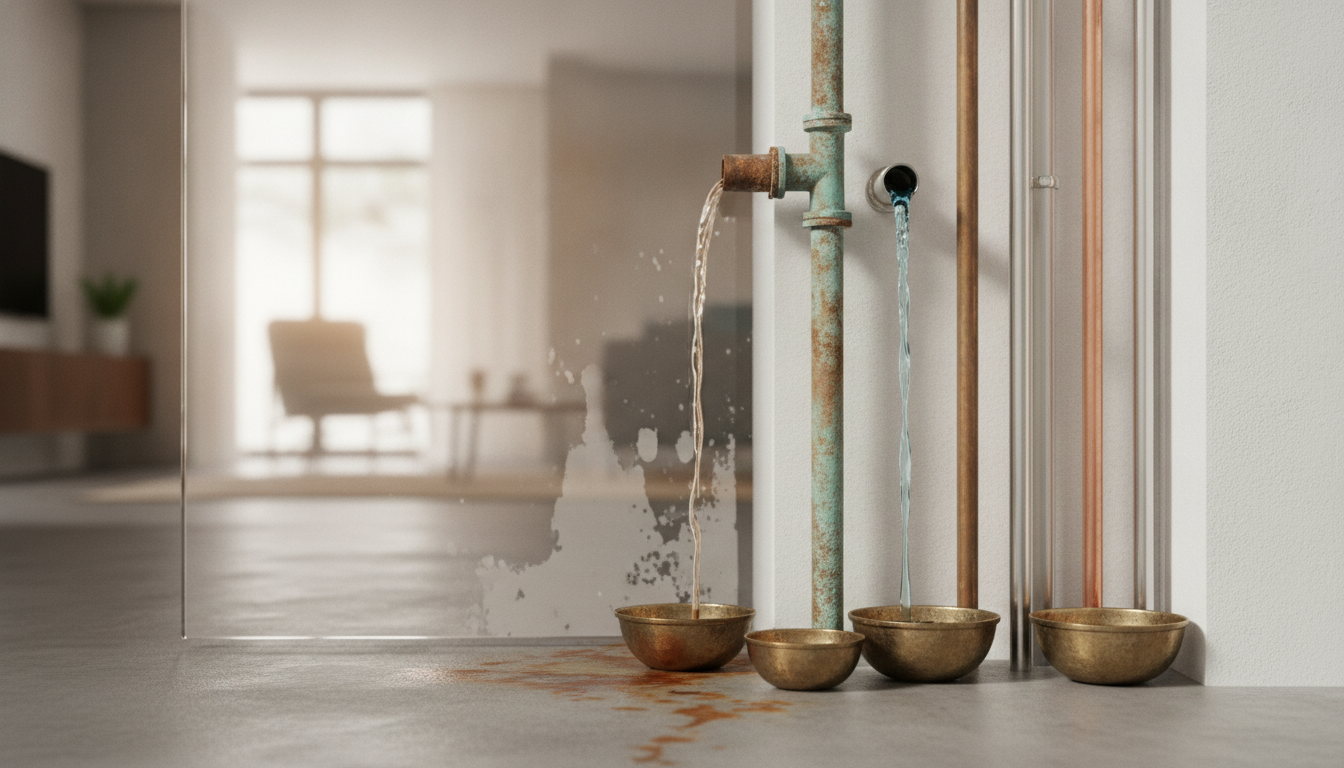
What Are the Signs Your Home Needs Repiping?

What Are the Signs Your Home Needs Repiping?

The primary signs your home needs repiping include persistent low water pressure, visible corrosion on exposed pipes, frequent pinhole leaks, and discolored water that appears brown, red, or yellow. If your home was built before 1970 and still utilizes galvanized steel pipes, or if you have polybutylene piping installed between the

1 2 3 4