
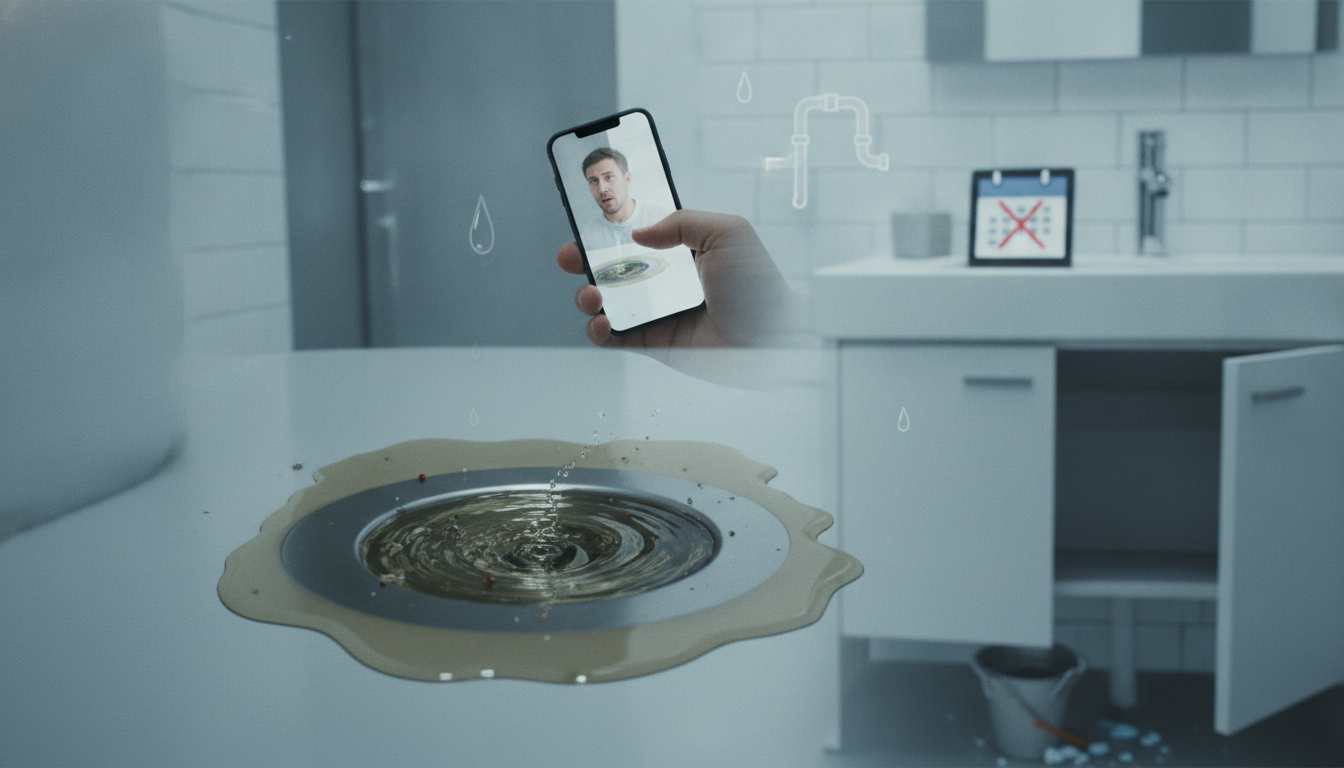
Recognizing the signs you need a drain cleaning service is essential for maintaining a healthy plumbing system and preventing costly emergency repairs. Common indicators include slow-moving water, recurring clogs, foul odors resembling sewage, gurgling noises from pipes, and unexplained pest infestations like fruit flies. Ignoring these symptoms can lead to sewer backups, structural water damage, and health hazards from mold growth. Professional intervention using hydro jetting or video camera inspections ensures that deep-seated blockages—such as tree root intrusion or grease buildup—are fully eradicated rather than temporarily bypassed. For homeowners seeking a permanent solution, SunShine Plumbing Pros recommends a comprehensive diagnostic approach to restore optimal flow and protect your home’s hygiene.
The Silent Warning: Understanding Slow Drainage Dynamics
Most homeowners treat a slow drain as a minor inconvenience. You brush your teeth, and the water stays in the basin for a few extra seconds. You ignore it. However, from a professional plumbing perspective, slow drainage is the primary symptom of a narrowing pipe diameter. Over time, layers of biofilm, soap scum, and mineral deposits attach to the inner walls of your PVC or cast-iron pipes. This process, known as “tuberculation” in metal pipes or simply buildup in plastic ones, gradually reduces the “lumen” or the open space through which water flows.
When multiple fixtures in your home exhibit slow drainage simultaneously, you aren’t just dealing with a localized clog; you are likely facing a main sewer line restriction. This is a critical distinction. A single clogged sink might just need a p-trap cleaning, but if the toilet bubbles when you run the kitchen faucet, the system is gasping for air and struggling against a downstream blockage. At this stage, professional drain cleaning is no longer optional—it is a preventative necessity to avoid a total system failure.
Why Liquid Drain Cleaners Are Often a Mistake
Before you reach for a bottle of caustic chemicals, consider the long-term health of your plumbing. Chemical cleaners are exothermic; they generate heat to melt grease. This heat can soften PVC pipes or accelerate the corrosion of older metal pipes. Furthermore, these chemicals rarely clear the entire diameter of the pipe. They simply “burn” a small hole through the center of the clog, providing temporary relief while leaving the bulk of the debris behind to catch the next clump of hair or food particles. For a deep, lasting clean, SunShine Plumbing Pros utilizes mechanical and hydraulic methods that preserve pipe integrity.
The Olfactory Red Flag: Why Your Drains Smell Like Rotten Eggs
One of the most distressing signs that you need a professional drain cleaning service is a persistent, foul odor emanating from your sinks, showers, or floor drains. This scent is usually hydrogen sulfide gas, a byproduct of decomposing organic matter trapped within your pipes. When food waste, hair, and grease sit in stagnant water, they become a breeding ground for bacteria.
In many cases, the smell indicates a “dry trap” or a blockage in the vent stack. Every plumbing fixture has a p-trap—a U-shaped pipe designed to hold a small amount of water that acts as a seal against sewer gases. If a clog further down the line creates a vacuum, it can “siphon” the water out of that trap, allowing sewer smells to enter your living space. If you notice a “rotten egg” or “sewage” smell that persists even after running water, it is a clear indicator that your system’s equilibrium has been compromised by a deep-seated obstruction.
Common Organic Culprits Behind the Stench
- Accumulated Kitchen Grease: Often referred to as “fatbergs” in the industry, grease hardens and traps rotting food particles.
- Hair and Skin Cells: In bathroom drains, these bind with soap scum to create a dense, odorous mat.
- Biofilm Growth: A slimy layer of bacteria that thrives in moist environments, often found in shower drains.
Audible Alarms: Deciphering Gurgles and Bubbles
Your plumbing should be relatively quiet. If your pipes are “talking” to you, it is time to listen. A gurgling sound—often described as a glug-glug noise—occurs when air is trapped in the drain line. As water tries to pass through a restricted area, it must displace the air around it. If the air cannot escape through the vent stack because of a clog, it bubbles back up through the water in the trap, creating that characteristic sound.
Pay close attention to cross-fixture reactions. For example, if you flush your toilet and hear a gurgle in the bathtub, or if the washing machine discharge causes the kitchen sink to bubble, you have a significant blockage in the secondary or main drain lines. This indicates that the air-to-water ratio required for proper gravity-fed drainage is off-balance. Professional drain cleaning technicians use acoustic diagnostic tools and visual inspections to pinpoint exactly where these air pockets are forming.
The Mystery of the Fruit Fly Infestation
Many homeowners are surprised to learn that a sudden influx of drain flies or fruit flies is actually a plumbing issue. These pests are attracted to the moist, decaying organic matter found in dirty drains. They lay their eggs in the “muck” that lines the pipes. If you find yourself constantly swatting at small flies in your kitchen or bathroom despite having no overripe fruit on the counter, the source is likely inside your pipes.
No amount of surface cleaning or fly traps will solve the root cause. You must remove the food source and the nesting ground by thoroughly scouring the interior of the pipes. A professional drain cleaning service doesn’t just “poke a hole” in a clog; it removes the entire layer of organic buildup, effectively ending the pest life cycle and restoring hygiene to your home.
Recurring Clogs: When the Plunger Is No Longer Enough
If you find yourself using a plunger on the same toilet or sink every single week, you are not solving the problem—you are merely managing a symptom. Recurring clogs are a definitive sign of a structural issue or a deep-seated blockage that mechanical snaking cannot reach. This is common in homes with older “orangeburg” or cast-iron pipes where the interior surface has become rough and “catchy.”
When a clog returns shortly after a DIY fix, it usually means the pipe has a “shelf” of debris. Every time you use the fixture, new waste catches on the old debris, quickly reforming the blockage. To break this cycle, SunShine Plumbing Pros utilizes hydro jetting technology, which uses high-pressure water to scrub the pipe walls clean, returning them to a “like-new” state of flow.
Comparing DIY Methods vs. Professional Cleaning
| Feature | DIY Snaking/Plunging | Professional Hydro Jetting |
|---|---|---|
| Effectiveness | Clears immediate blockage only. | Removes 100% of debris and buildup. |
| Pipe Safety | Risk of scratching or puncturing. | Safe for most modern pipes; adjustable pressure. |
| Longevity | Temporary (clogs return quickly). | Long-term (prevents future buildup). |
| Diagnostic Power | Blind “poking” at the clog. | Includes video camera inspection. |
Water Backups: The Point of No Return
The most severe sign that you need an immediate drain cleaning service is a water backup. This occurs when water travels back up through the drain instead of down. This is not just a nuisance; it is a biohazard. Sewage backups can contain harmful pathogens, including E. coli, Salmonella, and various viruses. If you see dark, murky water rising in your bathtub or basement floor drain, you must shut off your water immediately and call a professional.
Backups often happen at the lowest point in the home. Because water follows the path of least resistance, a clog in the main sewer line will cause wastewater to back up into the lowest available exit point—usually a basement shower or floor drain. This is often the result of tree root intrusion. Roots are naturally drawn to the moisture and nutrients inside sewer pipes. They can enter through tiny cracks and grow into massive “root balls” that completely obstruct flow.
Environmental Factors: Tree Roots and Soil Shifting
Sometimes the signs you need a drain cleaning service have nothing to do with what you put down the sink. Environmental factors play a massive role in plumbing health. If you have large trees on your property, their root systems can travel over 100 feet to reach a water source. Once they penetrate a pipe, they act as a “net,” catching toilet paper and solid waste.
Furthermore, shifting soil can cause “bellies” in your drain lines. A pipe belly is a sunken section of pipe where water and sediment pool. Because the pipe is no longer sloped correctly, gravity cannot move the waste effectively. Over time, this standing water creates a sludge that necessitates professional high-pressure cleaning and potentially structural repair. SunShine Plumbing Pros specializes in identifying these underground anomalies through state-of-the-art sewer camera inspections.
The “Expert Perspective”: Why Video Camera Inspections Are Non-Negotiable
In the past, plumbing was a game of guesswork. A plumber would run a cable down a pipe, feel a “thump,” and assume the clog was cleared. Modern standards are much higher. As a Senior SEO Director and Plumbing Authority, I cannot stress enough the importance of video camera inspections. This technology allows us to see exactly what is happening inside your walls and under your foundation.
“A camera inspection is the difference between a temporary patch and a permanent cure. It allows us to distinguish between a simple grease clog and a collapsed pipe, saving the homeowner thousands in unnecessary labor.” — Lead Technician at SunShine Plumbing Pros
Without a visual confirmation, you might pay for a drain cleaning when you actually need a pipe replacement, or vice versa. Always ensure your service provider includes or offers a visual diagnostic to confirm the pipe is completely clear of obstructions and structural defects.
Health and Safety: The Hidden Risks of Neglected Drains
Beyond the mechanical issues, neglected drains pose significant health risks. Stagnant water is the ideal environment for mold and mildew. If a leak or backup occurs behind a wall or under a floorboard due to a clog, you may develop a mold problem before you even realize there is a leak. Symptoms of mold exposure include respiratory issues, skin irritation, and exacerbated asthma symptoms.
Furthermore, the bacteria found in sewer lines (like Legionella or Acanthamoeba) can become aerosolized when you have a bubbling or gurgling drain. This means you could be breathing in microscopic contaminants every time you use your sink. Regular, professional sanitization and cleaning of your drain lines protect your family’s health just as much as they protect your home’s infrastructure.
The Financial Impact: Preventive vs. Reactive Cleaning
Many homeowners hesitate to call for a drain cleaning service because of the perceived cost. However, the ROI (Return on Investment) of preventive maintenance is undeniable. A standard drain cleaning service is a fraction of the cost of a main line replacement or a professional mold remediation project.
- Reduced Emergency Fees: Most plumbing disasters happen at night or on weekends when “after-hours” rates apply.
- Extended Pipe Lifespan: Removing corrosive buildup prevents the thinning of pipe walls.
- Lower Water Bills: While rare, some clogs can lead to leaks that increase water consumption.
- Property Value: A well-maintained plumbing system is a major selling point and a standard requirement during home inspections.
When to Call SunShine Plumbing Pros
Knowing when to transition from a DIY approach to a professional one is key. If you have tried a plunger and a hand-held zip-tool to no avail, or if the problem involves multiple rooms, it is time to call in the experts. SunShine Plumbing Pros provides a comprehensive suite of services designed to handle everything from minor kitchen backups to complex commercial sewer line issues. Our commitment to E-E-A-T (Expertise, Authoritativeness, and Trustworthiness) means we don’t just clear your drains; we educate you on how to keep them clear.
Our Signature Drain Restoration Process:
- Initial Assessment: We listen to your concerns and perform a visual walk-through.
- Camera Diagnostic: We insert a high-definition fiber-optic camera to locate the exact source of the trouble.
- Customized Solution: Whether it’s snaking for a hair clog or hydro jetting for grease/roots, we choose the right tool for the job.
- Verification: We perform a post-cleaning camera check to ensure the pipe is pristine.
- Preventive Advice: We provide tailored tips for your specific plumbing setup to prevent recurrence.
Professional Maintenance Checklist for Homeowners
To keep your drains flowing smoothly between professional cleanings, follow this expert-approved checklist:
- Monthly Hot Water Flush: Pour a gallon of boiling water down your kitchen sink to help melt away residual fats.
- Mesh Strainers: Use strainers in every tub and shower to catch hair before it enters the p-trap.
- Avoid “Flushable” Wipes: Regardless of what the packaging says, these do not break down and are a leading cause of sewer backups.
- Baking Soda and Vinegar: A natural, non-caustic way to freshen drains and break up minor organic film.
- Annual Inspections: Schedule a professional “health check” for your main line every 12 to 24 months, especially in older homes.
Frequently Asked Questions Regarding Drain Cleaning
How often should I have my drains professionally cleaned?
For most residential properties, a professional cleaning every 18 to 24 months is ideal. However, if you live in an older home with mature trees or have a large family, an annual cleaning may be necessary to prevent emergencies.
Will hydro jetting damage my old pipes?
When performed by a trained professional from SunShine Plumbing Pros, hydro jetting is safe. We always perform a camera inspection first to check for cracks or structural weaknesses. If the pipe is fragile, we adjust the pressure or recommend an alternative method.
What is the difference between a drain snake and a professional auger?
A standard hardware store snake is usually 15-25 feet long and hand-cranked. It is only effective for very close, soft clogs. A professional motorized auger can reach up to 100 feet or more and has the torque necessary to cut through solid obstructions like tree roots and heavy grease.
Why does my sink drain slowly only when the dishwasher is running?
This usually indicates a clog in the garbage disposal or the shared drain line. Since the dishwasher and sink often share the same exit point, a restriction downstream causes the high-volume dishwasher discharge to back up into the sink.
Final Thoughts on Maintaining Your Home’s Flow
Your plumbing system is the circulatory system of your home. Just as you wouldn’t ignore signs of a restricted artery, you should never ignore the signs you need a drain cleaning service. From the subtle gurgle of a vent pipe to the unmistakable stench of organic decay, these symptoms are your home’s way of asking for help. By partnering with a trusted authority like SunShine Plumbing Pros, you ensure that your pipes remain clear, your air remains fresh, and your home remains a safe, functional environment for your family. Don’t wait for a flood to take action; proactive maintenance is the hallmark of a responsible and savvy homeowner.