
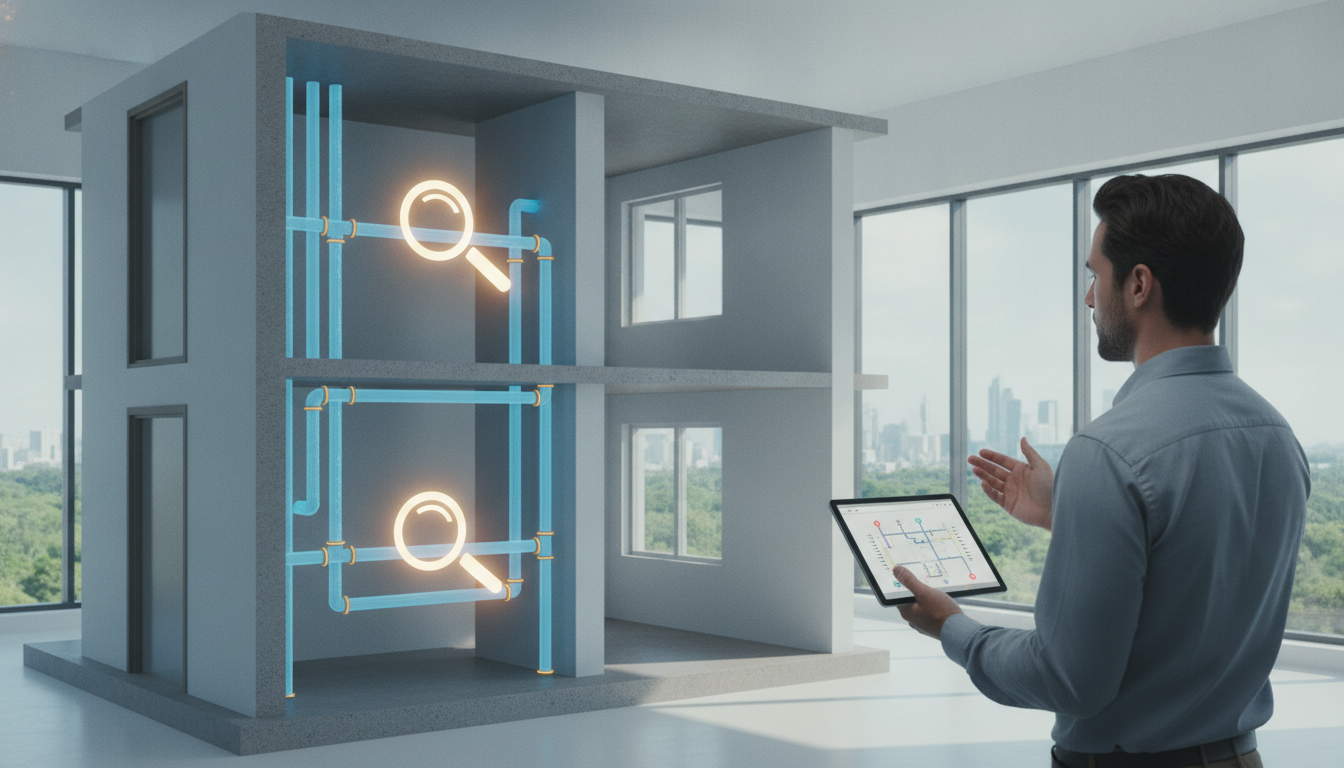
Most homeowners operate on a “if it is not broken, do not fix it” philosophy when it comes to their residential plumbing systems. However, waiting for a visible leak or a flooded basement to call a professional is a high-stakes gamble that often results in thousands of dollars in avoidable damage. To maintain a safe, efficient, and dry home, industry experts recommend a professional plumbing inspection at least once every year. While newer homes might stretch this to every two years, older properties with aging infrastructure require more frequent vigilance to prevent catastrophic pipe failures, sewer line backups, and water heater explosions.
The Silent Deterioration: Why Periodic Plumbing Inspections are Non-Negotiable
Plumbing systems are unique because 90% of their components are hidden behind drywall, under floorboards, or buried deep beneath the foundation. This “out of sight, out of mind” nature allows small issues—like a pinhole leak in a copper pipe or a hairline crack in a PVC drain line—to fester for months. By the time you see a water stain on the ceiling, the structural timber may already be compromised by wood rot or toxic mold growth.
A proactive inspection strategy transition your home maintenance from “reactive” to “preventative.” According to data from the insurance industry, water damage is one of the most common and costly homeowner insurance claims. A routine check-up by a qualified technician can identify corrosion, high water pressure, and failing shut-off valves before they escalate into emergency repairs. For those seeking reliable service, SunShine Plumbing Pros offers comprehensive diagnostic evaluations that go far beyond a simple visual check, ensuring every joint and fixture meets safety standards.
The General Rule of Thumb: Frequency Based on Home Age
While the annual rule is a solid baseline, the specific needs of your property vary significantly based on the materials used and the age of the installation. Here is a breakdown of how often you should schedule a deep-dive inspection:
- New Construction (0-5 years): Every 2 years. Even new homes experience “settling,” which can shift pipes and cause stress on joints.
- Mid-Age Homes (10-25 years): Every year. This is the window where water heaters begin to fail and rubber seals in toilets and faucets start to perish.
- Vintage/Historic Homes (40+ years): Every 6 to 12 months. Homes with galvanized steel pipes or cast iron sewer lines are at high risk for internal rusting and root intrusion.
Key Components That Require Regular Monitoring
A thorough inspection is not just about looking for drips. It is a systematic review of the entire water delivery and waste removal network. When you hire a professional, or when you perform your own monthly “walk-through,” these are the critical areas that demand attention.
1. The Water Heater: The Heart of the Home
Your water heater is under constant pressure and thermal stress. Over time, minerals like calcium and magnesium settle at the bottom of the tank, creating a sediment layer that insulates the heating element and causes the tank to overheat and eventually crack. Anode rods, designed to sacrifice themselves to prevent tank corrosion, typically last only 3 to 5 years. An annual inspection ensures the rod is replaced timely and the tank is flushed to maintain efficiency.
2. Main Shut-off Valves and Supply Lines
In an emergency, your ability to stop the flow of water is the only thing standing between a minor puddle and a total loss. Shut-off valves (especially older gate valves) are notorious for “seizing” or freezing in the open position due to mineral buildup. A professional will “exercise” these valves to ensure they turn freely. Furthermore, the flexible stainless steel supply lines leading to your washing machine and dishwasher should be inspected for bulges or kinks every year.
3. Sewer and Drain Health
Slow drains are often the precursor to a main sewer line blockage. Modern inspections utilize sewer camera technology to travel down the pipes and identify tree root intrusions, “bellies” (sagging sections of pipe), or grease clogs. This is particularly vital if you have large trees on your property, as roots are naturally drawn to the moisture inside your sewer lines.
| Plumbing Component | Homeowner Check Frequency | Professional Inspection Frequency | Expected Lifespan |
|---|---|---|---|
| Water Heater | Monthly (Visual) | Annually (Flush/Anode) | 8-12 Years |
| Toilets/Flappers | Every 6 Months | Annually | 5 Years (Seals) |
| Sewer Lines | N/A | Every 2 Years | 50-100 Years |
| Sump Pump | Quarterly | Annually | 7-10 Years |
| Exposed Pipes | Monthly | Annually | 20-70 Years |
The Hidden Dangers of High Water Pressure
Many homeowners enjoy high-pressure showers, but excessive water pressure is a silent killer for plumbing systems. Most residential fixtures are designed to handle 40 to 60 PSI (pounds per square inch). If your pressure exceeds 80 PSI, it puts immense strain on pipe joints, valves, and appliance seals. This can lead to “water hammer,” which causes pipes to vibrate and eventually burst. A professional inspection includes a pressure gauge test to ensure your Pressure Reducing Valve (PRV) is functioning correctly.
Seasonal Plumbing Considerations
Geography plays a massive role in inspection frequency. In regions where temperatures drop below freezing, an autumn plumbing check is essential. This involves winterizing outdoor spigots, insulating exposed pipes in crawlspaces, and ensuring the sump pump is clear of debris before the spring thaw. Conversely, in humid coastal areas, professionals look for external pipe corrosion caused by salt air and high humidity levels.
Expert Perspective: The “SunShine Plumbing Pros” Advantage
As a leading authority in the industry, SunShine Plumbing Pros emphasizes that a professional eye sees what a homeowner might dismiss as “normal.” For example, a slight green patina on a copper fitting (verdigris) indicates a slow, evaporating leak that will eventually fail. A professional uses moisture meters and ultrasonic leak detectors to find these issues without tearing down walls. Relying on experts ensures that your home remains compliant with local building codes and that your manufacturer warranties on appliances remain valid.
The Cost-Benefit Analysis of Maintenance
To understand the value of regular inspections, one must look at the “Failure Cost” vs. the “Maintenance Cost.”
- Professional Inspection: Typically costs between $150 and $300.
- Water Heater Replacement (Emergency): $1,500 – $3,000.
- Sewer Line Excavation: $3,000 – $10,000+.
- Mold Remediation: $2,000 – $20,000.
By investing in an annual check-up, you are essentially purchasing insurance against the most expensive repairs a homeowner can face. Furthermore, a well-maintained system operates more efficiently, reducing your monthly water and energy bills.
Signs You Need an Immediate, Non-Scheduled Inspection
Regardless of when your last inspection was, your home will often “talk” to you when something is wrong. Do not wait for your annual appointment if you notice any of the following:
- Unexplained Increase in Water Bills: This often indicates a slab leak or a leaking toilet flapper that can waste hundreds of gallons a day.
- Discolored Water: Rusty or brown water suggests internal pipe corrosion or a failing water heater liner.
- Low Water Pressure: If pressure drops suddenly across all fixtures, there may be a leak in the main supply line.
- Persistent Gurgling Sounds: If your toilets gurgle when you run the shower, your vent stacks or sewer lines are likely obstructed.
- Soggy Spots in the Yard: This is a classic sign of a broken underground sewer or water line.
A Homeowner’s DIY Monthly Checklist
While a professional is needed for the deep technical work, you can extend the life of your system by performing these simple checks every 30 days:
- Check Under Sinks: Run your hand along the P-traps and supply lines under kitchen and bathroom sinks to feel for moisture.
- Test Toilets: Drop a few drops of food coloring into the tank. If the color appears in the bowl after 15 minutes without flushing, your flapper is leaking.
- Inspect the Sump Pump: Pour a bucket of water into the pit to ensure the float switch triggers the pump.
- Examine the Water Meter: Turn off all water in the house and check the meter. If the low-flow indicator is spinning, you have a leak.
- Clean Aerators: Unscrew faucet aerators and clear out any grit or sediment to maintain flow.
The Role of Technology in Modern Inspections
The plumbing industry has evolved far beyond the plunger and wrench. Today, top-tier specialists use infrared thermography to detect temperature anomalies behind walls, which can pinpoint hot water leaks without invasive cutting. Acoustic leak detection equipment allows plumbers to “hear” the sound of water escaping from pipes buried under concrete slabs. When you schedule your inspection, ask if these tools are part of the diagnostic suite, as they provide a level of accuracy that visual inspections cannot match.
Impact of Water Quality on Inspection Frequency
If your home is supplied by a well or is in an area with “hard water” (high mineral content), your plumbing components will degrade faster. Hard water leads to scale buildup in pipes, reducing the internal diameter and increasing pressure. In such cases, SunShine Plumbing Pros recommends more frequent inspections and the potential installation of a water softener or whole-home filtration system to protect your infrastructure. Conversely, acidic water (low pH) can eat through copper piping, leading to pinhole leaks. A water quality test should be a standard part of any comprehensive plumbing evaluation.
Conclusion: Protecting Your Greatest Investment
Your home is likely your most significant financial asset, and the plumbing system is its circulatory network. Ignoring it is akin to never changing the oil in a car; it will work for a while, but the eventual failure will be catastrophic. By adhering to an annual professional inspection schedule, staying vigilant with monthly DIY checks, and addressing minor issues immediately, you ensure the longevity and safety of your property.
Don’t wait for a damp ceiling or a cold shower to take action. Contact a trusted partner like SunShine Plumbing Pros to establish a baseline for your home’s health. A small investment in prevention today will save you from the stress and financial burden of a plumbing disaster tomorrow. Whether you live in a brand-new build or a charming historic residence, the peace of mind that comes with a certified clean bill of health for your pipes is truly priceless.
Frequently Asked Questions
How long does a professional plumbing inspection take?
A standard comprehensive inspection for a 2,000-square-foot home typically takes between 1.5 to 2 hours. This includes checking all fixtures, testing water pressure, inspecting the water heater, and verifying the functionality of all shut-off valves and drains.
Will my insurance cover plumbing inspections?
Generally, homeowners insurance does not cover the cost of routine maintenance or inspections. However, many insurance companies offer discounts or better coverage terms if you can prove that your home has been professionally maintained, as it reduces the risk of a major claim.
Can I do the inspection myself?
You can perform basic visual checks, but a homeowner lacks the specialized tools—like sewer cameras, pressure gauges, and moisture meters—required to see “inside” the system. A professional inspection is necessary to identify hidden risks that lead to major failures.
What is the most common issue found during inspections?
Leaking toilet flappers and failing water heater anode rods are the most frequent findings. While seemingly minor, these issues lead to significant water waste and premature appliance failure if left unaddressed.
Does a plumbing inspection include the outdoor irrigation system?
Usually, a standard home plumbing inspection focuses on the interior system. However, most professionals can add an irrigation and outdoor spigot check upon request, which is highly recommended during the spring and fall months.