
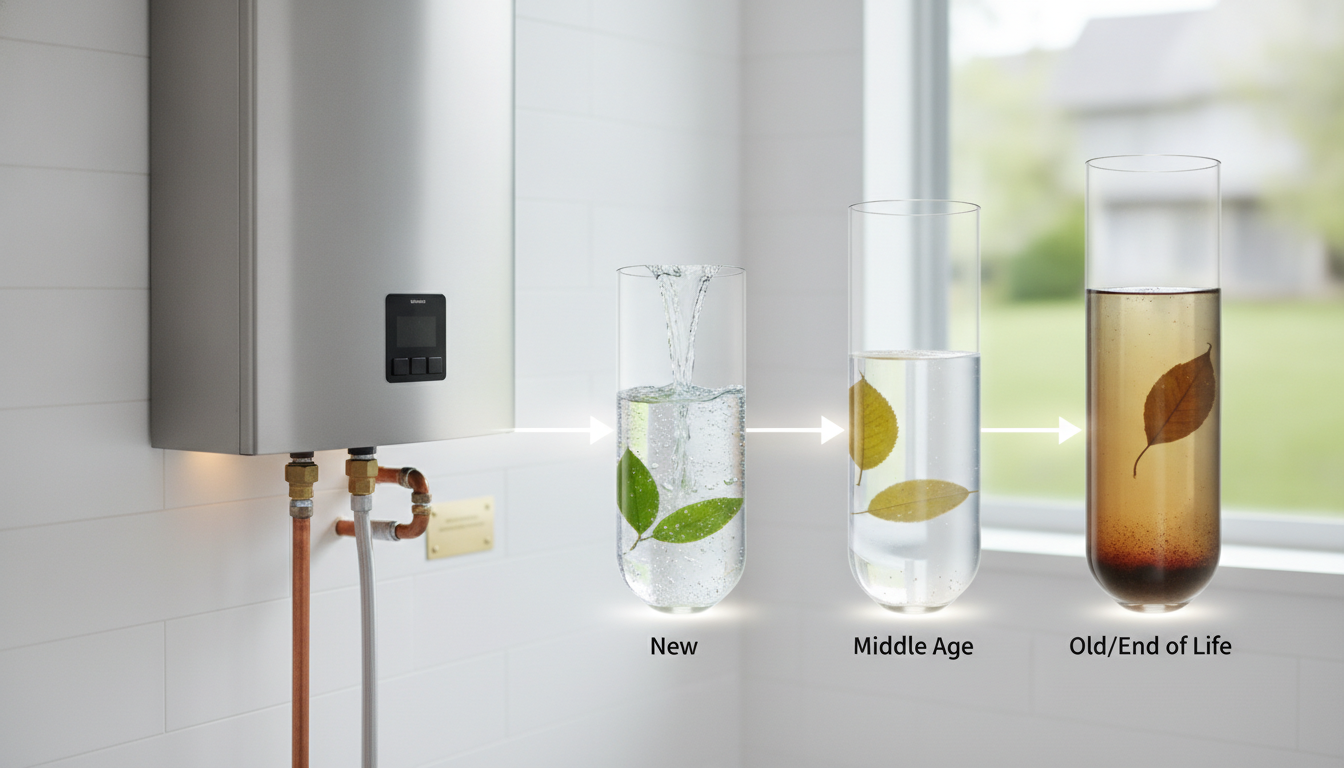
The average lifespan of a standard tank-style water heater typically ranges between 8 to 12 years, while tankless water heaters can provide reliable service for 20 years or more. However, these figures are not set in stone. Factors such as water quality, fuel source, frequency of maintenance, and local environmental conditions play a pivotal role in determining whether your unit survives a decade or fails prematurely. Understanding the lifecycle of your plumbing infrastructure is essential for homeowners looking to avoid the catastrophic property damage associated with a ruptured tank. At SunShine Plumbing Pros, we emphasize that proactive monitoring is the difference between a controlled replacement and an emergency plumbing disaster.
The Science of Longevity: Why Water Heaters Eventually Fail
To understand how long a water heater lasts, one must first understand the hostile environment inside the tank. A water heater is essentially a pressurized steel vessel constantly exposed to oxidizing agents and mineral solutes. The primary enemy of any tank-style system is corrosion.
Most steel tanks are lined with a thin layer of porcelain enamel (often called a glass lining) to prevent water from touching the raw steel. However, during the manufacturing and shipping process, microscopic “holidays” or cracks can form in this lining. This is where the sacrificial anode rod comes into play. This rod, usually made of magnesium or aluminum, hangs inside the tank and is designed to corrode faster than the steel. Through a process called electrolysis, the rod “sacrifices” itself to protect the tank’s integrity. When the anode rod is completely depleted, the water begins to attack the steel tank directly, leading to rust and eventual structural failure.
Lifespan by System Type: A Comparative Analysis
Not all water heaters are engineered equally. The technology used to heat your water significantly impacts the expected service life of the appliance. Below is a breakdown of the most common systems found in modern homes.
Traditional Storage Tank Water Heaters (Gas and Electric)
Standard gas and electric tanks are the most common units in North America. Electric water heaters generally last 10 to 15 years because they experience less thermal stress than gas units. Gas water heaters, which utilize a burner at the bottom of the tank, typically last 8 to 12 years. The intense heat localized at the base of a gas tank can accelerate sediment calcification, which eventually weakens the metal floor of the unit.
Tankless (On-Demand) Water Heaters
Tankless systems are the gold standard for longevity. Because they do not store water, they are not subject to the same corrosive pressures as storage tanks. With proper descaling and maintenance, a high-quality tankless unit can easily exceed 20 years. The primary failure point for these units is usually the heat exchanger, which can become clogged with lime scale if the home has hard water.
Heat Pump (Hybrid) Water Heaters
Hybrid models use electricity to move heat from the air into the water. These units are incredibly energy-efficient but have more complex mechanical parts, including a compressor and fan assembly. You can generally expect 10 to 13 years of life from a hybrid system, provided the air filters are cleaned regularly to prevent the compressor from overheating.
| Water Heater Type | Average Lifespan | Primary Failure Cause | Maintenance Requirement |
|---|---|---|---|
| Electric Tank | 10-15 Years | Anode depletion / Tank rust | Annual flush & anode check |
| Gas Tank | 8-12 Years | Sediment buildup / Bottom corrosion | Annual flush & vent inspection |
| Tankless (Gas/Elec) | 20+ Years | Scale in heat exchanger | Annual descaling / flushing |
| Heat Pump (Hybrid) | 10-13 Years | Compressor failure | Filter cleaning & condensate check |
Environmental Factors That Shorten Your Water Heater’s Life
While the manufacturer provides an estimated “design life,” your local environment acts as the ultimate arbiter of longevity. If you live in an area with aggressive water chemistry, your unit may fail years before its warranty expires.
The Impact of Hard Water and Mineral Deposits
Hard water contains high concentrations of calcium and magnesium. When water is heated, these minerals precipitate out of the solution and settle at the bottom of the tank as sediment. This sediment acts as an insulating layer between the heating element (or burner) and the water. In gas units, this causes the tank bottom to overheat and lose structural integrity. In electric units, the lower heating element can become buried in “mud,” causing it to burn out prematurely.
Water Pressure and Thermal Expansion
Excessive water pressure is a silent killer. Most residential systems are designed for 50-60 PSI. If your home’s pressure exceeds 80 PSI, it puts constant stress on the tank’s welded seams. Furthermore, thermal expansion—the phenomenon where water expands in volume as it heats—can cause the tank to “breathe” or flex. Over thousands of heating cycles, this flexing can lead to metal fatigue. Installing an expansion tank is a critical step in mitigating this stress and extending the life of the primary heater.
Corrosive Environments
If your water heater is located in a garage near stored pool chemicals, bleach, or salt, the intake air for gas units can become corrosive. When these chemicals are pulled into the combustion chamber, they create an acidic byproduct that eats away at the internal flue and the heat exchanger from the inside out.
Expert Perspective: The Role of Professional Installation
Many homeowners overlook the fact that installation quality is a primary determinant of lifespan. A unit that is not level, lacks proper venting, or is connected with dissimilar metals (causing galvanic corrosion) will fail prematurely. This is why partnering with a certified professional is vital. For residents seeking peak performance and maximum longevity, SunShine Plumbing Pros provides expert installation services that adhere to the strictest plumbing codes, ensuring your unit is set up for a long, efficient life.
Critical Maintenance: How to Double Your Water Heater’s Life
If you treat your water heater as a “set it and forget it” appliance, you are essentially guaranteeing a 10-year lifespan. However, a dedicated maintenance routine can push a standard tank toward the 15 or 20-year mark.
1. Annual Tank Flushing
You should drain and flush your water heater at least once a year. This removes the accumulated sediment that causes overheating and noise. To do this, turn off the power/gas, connect a garden hose to the drain valve, and run the water until it flows clear. This simple act can significantly reduce thermal stress on the tank bottom.
2. Testing the Temperature and Pressure (T&P) Relief Valve
The T&P valve is your heater’s primary safety device. It is designed to open if the pressure or temperature exceeds safe limits, preventing a tank explosion. Manually lifting the lever once a year ensures the valve isn’t “frozen” shut by mineral deposits. If it doesn’t snap back or leak water when tested, it must be replaced immediately.
3. Anode Rod Inspection and Replacement
This is the most neglected maintenance task in the industry. We recommend checking the anode rod every 3 years (or every year if you have a water softener). If the rod is more than 50% depleted or if the wire core is visible, replace it. A new $50 anode rod can save you from a $2,000 tank replacement.
“The addition of a water softener can actually accelerate anode rod depletion because the softened water is more conductive. Homeowners with softeners should be twice as vigilant about their maintenance schedules.” — Senior Technical Specialist at SunShine Plumbing Pros.
Warning Signs That Your Water Heater is Nearing the End
How do you know if you are living on borrowed time? Your water heater will often give you subtle (and not-so-subtle) clues before it finally quits.
- Rusty Water: If your hot water looks “tea-colored” but the cold water is clear, the internal lining of your tank is likely rusting away.
- Rumbling or Popping Noises: Known as kettling, these sounds occur when steam bubbles struggle to rise through a thick layer of sediment at the bottom of the tank.
- Moisture Around the Base: Any sign of water pooling around the heater is a red flag. While it could be a simple fitting leak, it often indicates a pinhole leak in the tank itself.
- Inconsistent Temperatures: If you find yourself constantly adjusting the shower handle or running out of hot water faster than usual, your heating elements or burner assembly are likely failing.
- Age: If your unit’s serial number indicates it is over 10 years old, you should begin budgeting for a replacement, even if it appears to be working perfectly.
The Economics of Replacement: Repair vs. Replace
When a water heater malfunctions, the first question is always: “Can I fix it?” As a general rule of thumb, if the repair cost exceeds 50% of the cost of a new unit, or if the unit is older than 8 years, replacement is the more fiscally responsible choice.
Modern water heaters are significantly more efficient than those manufactured a decade ago. Due to NAECA (National Appliance Energy Conservation Act) standards, new tanks have thicker insulation and higher Uniform Energy Factors (UEF). Replacing an aging, inefficient unit can result in a 10-20% reduction in your monthly energy bills, helping the new unit pay for itself over time.
The Hidden Cost of Waiting for Failure
Waiting for a tank to burst is a high-risk strategy. A ruptured 50-gallon tank can cause tens of thousands of dollars in water damage to flooring, drywall, and personal belongings. Furthermore, emergency replacements on weekends or holidays often carry premium labor rates. Scheduling a proactive replacement allows you to research the best models, compare prices, and choose a convenient time for the installation.
Advanced Longevity Tips for the Savvy Homeowner
If you want to go above and beyond standard maintenance, consider these “Pro-Level” upgrades to ensure your water heater lasts as long as possible:
- Install a Powered Anode Rod: Unlike sacrificial rods, powered (impressed current) anode rods use a small amount of electricity to prevent corrosion and do not need to be replaced. They are also excellent at eliminating the “rotten egg” smell caused by sulfur-reducing bacteria.
- Add a Water Filtration System: By removing chlorine and heavy minerals before they reach the heater, you reduce the chemical load on the tank’s interior.
- Use a Leak Detection System: Smart leak detectors can shut off the main water supply and send an alert to your phone the moment moisture is detected, preventing a leak from becoming a flood.
- Check the Expansion Tank: Ensure the air pressure in your expansion tank matches your home’s static water pressure. If the expansion tank’s internal bladder fails, your main water heater will bear the brunt of the pressure spikes.
Frequently Asked Questions Regarding Water Heater Life
Does the brand of water heater matter for longevity?
While most major brands (Rheem, Bradford White, A.O. Smith) use similar technology, the grade of the unit matters. Professional-grade models often have higher-quality brass drain valves and more robust heating elements compared to the “big box store” retail versions. SunShine Plumbing Pros typically recommends professional-grade units for their superior build quality and longer manufacturer warranties.
Does a water softener help a water heater last longer?
It’s a double-edged sword. A softener prevents scale buildup, which keeps the unit efficient and prevents overheating. However, softened water is more corrosive to the anode rod. If you have a softener, you must replace your anode rod more frequently to protect the tank.
Can I extend the life of my heater by turning down the temperature?
Yes. Setting your thermostat to 120°F (49°C) reduces the rate of mineral precipitation and slows down the chemical reactions that cause corrosion. It also prevents scalding and saves energy. However, do not go below 120°F, as this can allow Legionella bacteria to grow in the tank.
Is a tankless water heater worth the extra cost?
From a longevity standpoint, yes. A tankless unit lasts twice as long as a tank. When you factor in the energy savings and the fact that you won’t need to replace it for two decades, the total cost of ownership is often lower than that of two standard tank heaters.
Conclusion: Taking Control of Your Home’s Hot Water
The lifespan of your water heater is largely in your hands. While you cannot control the chemistry of the water provided by your municipality, you can control how your system responds to it. By prioritizing annual maintenance, monitoring the anode rod, and recognizing the early warning signs of failure, you can maximize your investment and ensure your home remains a place of comfort and safety.
If you are unsure about the age or condition of your current unit, or if you are ready to upgrade to a high-efficiency system, professional guidance is just a call away. Trusting experts like SunShine Plumbing Pros ensures that your water heating system is not just a temporary fixture, but a long-term asset to your home’s infrastructure. Don’t wait for a cold shower to tell you it’s time for a change—take a proactive approach to your plumbing health today.