
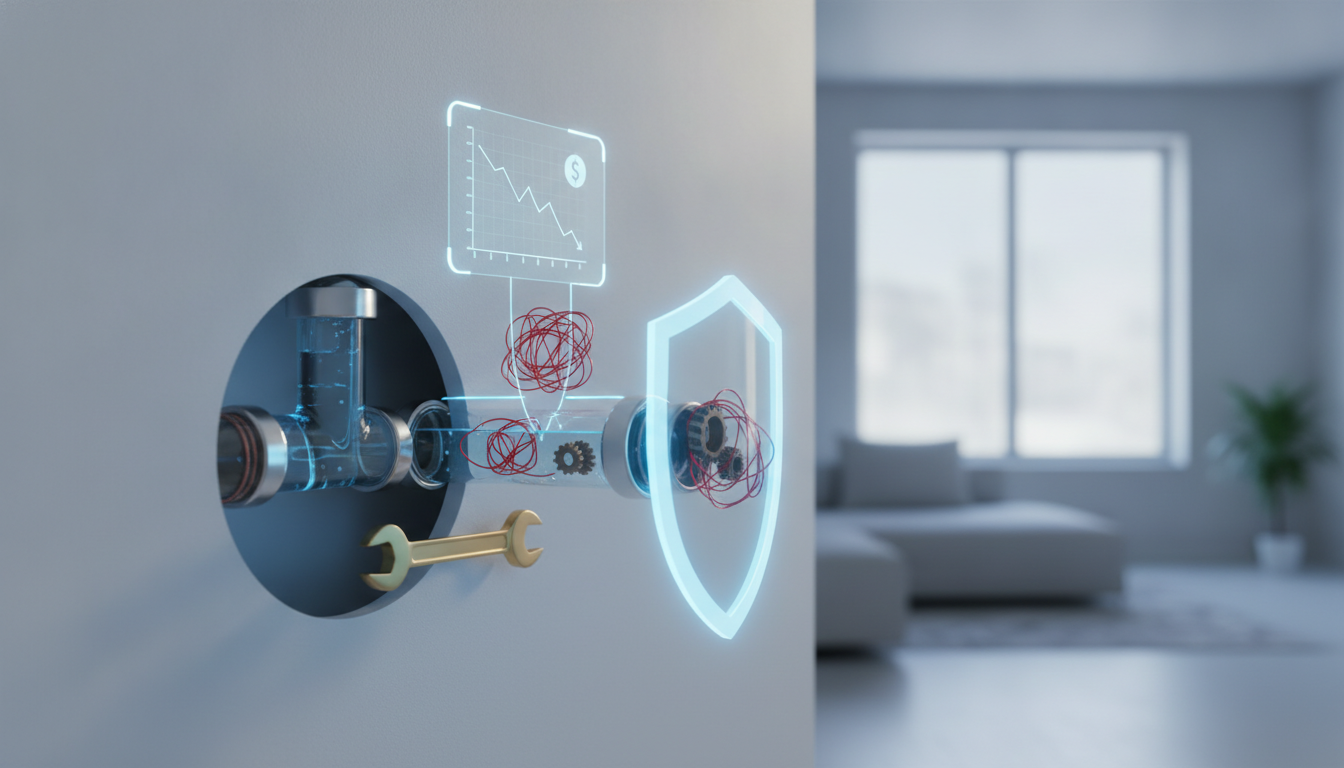
To avoid expensive plumbing repairs, homeowners must implement a strategy of preventive maintenance, regular inspections, and early intervention. By monitoring water pressure levels, avoiding chemical drain cleaners, and scheduling annual professional check-ups, you can prevent catastrophic failures like burst pipes or sewer backups. Proactive care typically costs a fraction of emergency remediation, ensuring your home’s infrastructure longevity and protecting your property value from water damage.
The High Cost of Silence: Why Proactive Plumbing is Your Best Investment
Plumbing systems are often the most overlooked component of a home until a crisis occurs. Most homeowners view plumbing as a binary system: it either works or it is broken. However, the reality is that plumbing systems exist in a state of gradual degradation. From galvanic corrosion in older pipes to mineral scale buildup in modern tankless water heaters, the “silent” issues are the ones that eventually lead to four-figure repair bills. Understanding how to mitigate these risks is not just about saving money; it is about maintaining the structural integrity of your residence.
When you ignore a small drip or a slow-moving drain, you are not just delaying a repair; you are inviting mold growth, structural rot, and increased utility costs. The experts at SunShine Plumbing Pros emphasize that the difference between a $150 maintenance visit and a $5,000 emergency slab leak repair often comes down to how quickly the homeowner identifies the warning signs. In this definitive guide, we will explore the technical nuances of plumbing preservation and provide a roadmap for total system health.
The Financial Impact of Neglect
Consider the math of a typical plumbing failure. A standard water heater flush might cost a small amount of your time or a modest service fee. Neglecting it leads to sediment buildup, which causes the tank to overheat and eventually crack. Replacing a 50-gallon water heater, including labor and disposal, can easily exceed $2,000. By applying the principles of Topical Authority in home maintenance, we can categorize the most common “wallet-draining” issues and solve them before they escalate.
Managing the Silent Pressure: The Danger of High PSI
One of the most common causes of premature plumbing failure is excessive water pressure. While high pressure feels great in the shower, it acts like a slow-motion wrecking ball on your pipes, joints, and appliances. Most residential plumbing systems are designed to handle 40 to 60 PSI (pounds per square inch). When pressure exceeds 80 PSI, it puts undue stress on O-rings, washers, and flexible supply lines.
- The Water Pressure Regulator: This valve, usually located near the main water shut-off, is your first line of defense. They typically last 7 to 12 years. If yours is older, it may be failing silently.
- Signs of High Pressure: Listen for “water hammer” (banging sounds in the walls) or notice if your toilets are constantly running.
- The Solution: Purchase a simple pressure gauge from a hardware store and hook it up to an outside hose bib. If it reads over 75 PSI, you need a professional to calibrate or replace your Pressure Reducing Valve (PRV).
By maintaining optimal pressure, you extend the life of your dishwasher, washing machine, and faucets by years, avoiding the “cascade effect” where multiple fixtures fail simultaneously due to stress fatigue.
Chemical Warfare: Why You Should Throw Away Liquid Drain Cleaners
It is a common reflex: a drain slows down, and you reach for a bottle of caustic chemical cleaner. From a professional plumbing perspective, this is one of the most damaging things you can do to your home. These chemicals use exothermic reactions to melt clogs, but the heat generated can soften PVC pipes and corrode older metal lines.
“Chemical drain cleaners are a temporary fix that creates permanent damage. They rarely clear the entire blockage and instead sit in the pipe, eating away at the plumbing itself.” – Senior Technician, SunShine Plumbing Pros
Safe Alternatives for Clear Drains
Instead of harsh acids, use these mechanical and biological methods to keep your lines flowing:
| Method | Best For | Safety Level |
|---|---|---|
| Baking Soda & Vinegar | Minor organic buildup | High (Eco-friendly) |
| Enzymatic Cleaners | Preventive maintenance | High (Safe for pipes) |
| Zip-It Tool | Hair clogs in sinks/tubs | Medium (Mechanical) |
| Plumbing Snake | Deep obstructions | Medium (Requires care) |
For persistent issues, professional hydro-jetting is the gold standard. It uses high-pressure water to scrub the interior walls of your pipes without the use of damaging chemicals, effectively returning them to a “like-new” state.
The Hard Water Tax: Protecting Your Infrastructure
If you live in an area with hard water, you are paying a hidden tax every month. Hard water contains high concentrations of calcium and magnesium. When heated, these minerals precipitate out of the water and form limescale. This scale coats the heating elements in your water heater and narrows the diameter of your pipes, much like cholesterol in an artery.
To avoid expensive repairs related to mineral buildup, consider the following:
- Water Softener Installation: An ion-exchange water softener replaces calcium and magnesium with sodium or potassium ions, preventing scale from forming.
- Anode Rod Inspection: Your water heater has a “sacrificial” anode rod that attracts corrosive elements to itself so they don’t eat the tank. Replacing this rod every 3-5 years can double the life of your heater.
- Vinegar Flushes: For tankless water heaters, a biannual vinegar flush is essential to remove scale from the heat exchanger.
The “Flushable” Myth and Sewer Line Integrity
The term “flushable wipes” is perhaps the most misleading marketing phrase in the home goods industry. Unlike toilet paper, which is designed to disintegrate in seconds, these wipes are made of synthetic fibers that stay intact for weeks. They are the leading cause of fatbergs and massive sewer backups.
To avoid a $3,000+ sewer line excavation, follow the “Three Ps” rule: Only flush Pee, Poop, and Paper. Avoid sending fats, oils, and grease (FOG) down the kitchen sink as well. Grease solidifies as it cools, catching other debris and eventually sealing the pipe shut. Instead, collect grease in a container and dispose of it in the trash.
Expert Perspective: The Value of Video Inspections
If you live in an older home with mature trees, root intrusion is a constant threat. Tree roots can sense the moisture in sewer lines and will find even the smallest crack to enter. Once inside, they grow rapidly. A proactive sewer camera inspection from SunShine Plumbing Pros can identify these intrusions before they cause a total backup into your home, allowing for localized “trenchless” repairs rather than a full yard excavation.
Seasonal Plumbing Vigilance: A Checklist
Plumbing risks change with the seasons. Being mindful of these shifts can prevent emergency calls during holidays or extreme weather events.
Winter: Preventing Frozen Pipes
Frozen pipes are a top cause of catastrophic water damage. When water freezes, it expands, exerting thousands of pounds of pressure on the pipe wall.
- Insulate Exposed Pipes: Use foam sleeves on pipes in crawlspaces and attics.
- Disconnect Hoses: A connected garden hose can trap water in the faucet, leading to a burst inside the wall.
- Drip the Faucet: During extreme cold, a slow drip keeps water moving and relieves pressure buildup.
Spring and Summer: Sump Pump and Outdoor Maintenance
Spring rains put a heavy load on your sump pump. Test it by pouring a bucket of water into the pit to ensure the float switch activates. Additionally, check your outdoor irrigation for leaks; a small hole in a sprinkler line can waste thousands of gallons and spike your water bill.
Smart Technology: The Modern Way to Avoid Repairs
We are currently in a golden age of leak detection technology. Smart home devices can now monitor your entire plumbing system 24/7.
- Smart Leak Sensors: These small discs are placed under sinks, near water heaters, and behind washing machines. They alert your phone the moment moisture is detected.
- Automatic Shut-off Valves: Devices like the Flo by Moen or Phyn monitor flow patterns. If they detect a burst pipe or a continuous leak, they can automatically shut off the main water supply, potentially saving you tens of thousands of dollars in flooring and drywall repairs.
DIY vs. Professional: Knowing Your Limits
While DIY culture is thriving, knowing when to call a professional is a key part of avoiding expensive mistakes. A common scenario involves a homeowner trying to replace a simple valve, only to snap a corroded pipe behind the wall. Now, a $200 pro job has turned into a $1,500 emergency remediation.
When to DIY:
- Replacing a showerhead.
- Unclogging a sink with a plunger or zip-tool.
- Replacing a toilet flapper.
When to Call SunShine Plumbing Pros:
- Any work involving the main water shut-off or gas lines.
- Low water pressure throughout the entire house.
- Visible water stains on ceilings or walls.
- Sewage smells or gurgling sounds from drains.
The Homeowner’s Essential Plumbing Toolkit
To handle minor issues before they become major expenses, every homeowner should have a basic “plumbing first aid kit.”
- Flange Plunger: Designed specifically for toilets to create a better seal.
- Cup Plunger: For flat surfaces like sinks and tubs.
- Adjustable Wrench: For tightening loose supply line nuts.
- Thread Seal Tape (Teflon Tape): To ensure leak-proof connections on threaded pipes.
- Hex Key (Allen Wrench): Specifically for unjamming garbage disposals.
Understanding Your Home’s Anatomy
Do you know where your Main Water Shut-off Valve is? In a plumbing emergency, every second counts. If a pipe bursts, you may have less than 60 seconds to turn off the water before significant damage occurs. Ensure every adult in the household knows the location of this valve and that it is not rusted shut. If it is a “gate valve” (the round wheel type), consider having a plumber replace it with a “ball valve,” which is much more reliable and easier to operate in a hurry.
Conclusion: The Path to Plumbing Peace of Mind
Avoiding expensive plumbing repairs is not about luck; it is about intentionality. By respecting your drains, monitoring your water pressure, and embracing modern leak detection technology, you move from a reactive mindset to a proactive one. Remember that your plumbing system is an interconnected web; a problem in the guest bathroom can often be a symptom of a larger issue in the main stack.
Partnering with a trusted expert like SunShine Plumbing Pros for annual inspections ensures that your home remains a sanctuary rather than a source of financial stress. Treat your pipes with care, and they will serve your home for decades to come.
Frequently Asked Questions
How often should I have my plumbing inspected?
For most residential properties, a professional plumbing inspection is recommended every 2 years. However, if you live in an older home (30+ years) or have large trees near your sewer line, an annual check-up is a safer bet to prevent major failures.
Why is my water bill suddenly so high?
A sudden spike in your water bill usually indicates a “silent leak.” The most common culprits are leaky toilet flappers (which can waste 200 gallons a day) or a slab leak under your home’s foundation. Check your water meter; if the dial is moving while all faucets are off, you have a leak.
Is a tankless water heater cheaper to maintain?
While tankless heaters are more energy-efficient, they actually require more frequent maintenance than traditional tanks. They must be descaled at least once a year to prevent mineral deposits from clogging the narrow heat exchanger. Skipping this maintenance can lead to a total system failure that is not covered by warranty.
Can I use boiling water to clear a clog?
Boiling water is generally safe for metal pipes and can help melt grease clogs. However, if you have PVC (plastic) pipes, boiling water can soften the joints and cause leaks. It is better to use hot tap water and dish soap for grease-related clogs in modern homes.